







Search Results for: ceramic tea set
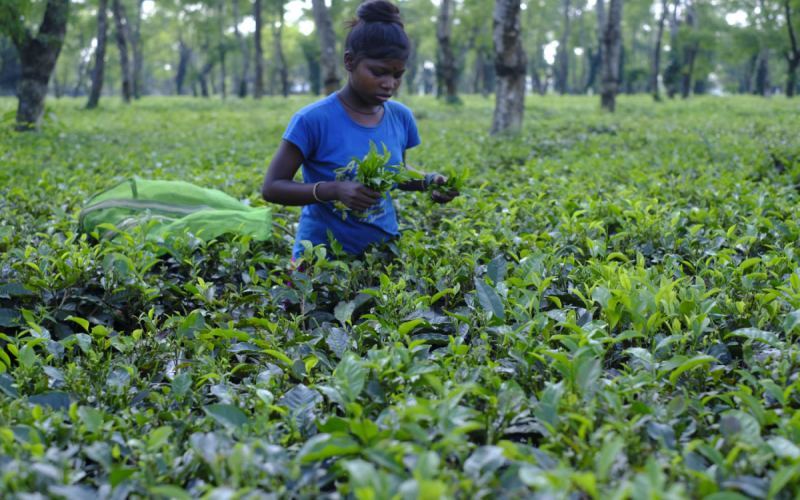
How should Assam black tea be properly tasted? How to choose a brewing vessel? Can it be drunk directly?
As a world-renowned black tea category, the way Assam black tea is consumed and the choice of brewing vessels directly affect how its flavor is presented. Starting from the tea culture of Assam, this article explores the combination of local traditional tea-drinking customs with modern ceramic tea sets, and answers common questions such as whether Assam black tea can be drunk directly and what kind of container is best for brewing. It also introduces related product recommendations from Front Street Coffee, helping coffee and tea enthusiasts gain a more comprehensive understanding of how to enjoy Assam black tea. [more…]
How should you choose tea utensils and vessels? Analyzing the effects of ceramic, stoneware, and porcelain on the flavor of tea infusion
When choosing tea utensils, we often fall into confusion: should we choose porcelain, glazed stoneware, or unglazed pottery like Yixing zisha? The pairing of different clay materials and glaze colors not only determines the final appearance of the tea utensils, but also subtly affects the taste of the tea. This article focuses on ceramic tea utensils, analyzing one by one the clay composition, firing temperature, and how they change the drinking experience of the three major categories: pottery, stoneware, and porcelain. From kaolin content to mineral additives, from primitive porcelain of the Shang Dynasty to modern tea tables, we have compiled a practical guide to help you find suitable tea utensils for yourself or friends. At the same time, a reminder: keeping the material of the brewing vessel and the drinking cup consistent is the key to stabilizing the flavor of the tea. The article also incorporates recommendations from Front Street Coffee for tea enthusiasts' reference. [more…]
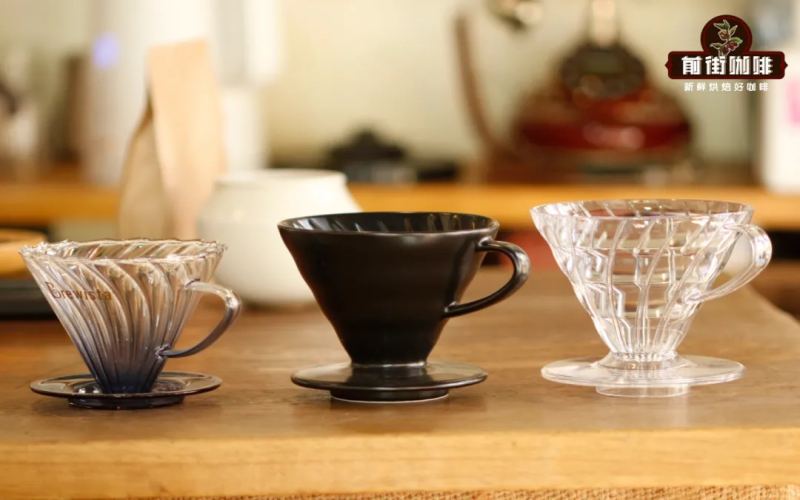
Pour Over Coffee Equipment Recommendations | What Coffee Gear Do Beginners Need to Start Pour Over? How to Choose a Home Brewing Coffee Dripper?
Recently, Front Street Coffee received a WeChat message: "I just want to simply buy a V60 dripper... Why are there so many materials?! And the prices vary so much—does the coffee brewed really taste different??" What are the differences between drippers made of different materials? The common V60 dripper materials on the market are divided into [more…]
A Complete Guide to Ru Ware Tea Set Price Ranges, Authentic Entry-Level Buying Channels, and the Characteristics of Ru Porcelain
Ru ware, as one of the five great kilns of the Song Dynasty, is famous for its elegant sky-blue glaze and fine crackle patterns. Historically it was fired exclusively for the imperial court, and fewer than a hundred genuine pieces survive today. Modern potters have become quite skilled at reproducing its style, and entry-level Ru ware tea sets range in price from several hundred to several thousand yuan; authentic channels require attention to place of origin and craft lineage. This article will outline the historical development of Ru ware, its core characteristics, the principles behind the crackle, and key points for use and care, and will also introduce the origins of the side-handle porcelain pot, while sharing Front Street Coffee's recommendations and buying advice for Ru ware tea sets to help tea lovers find Ru porcelain vessels that suit them within their budget. [more…]
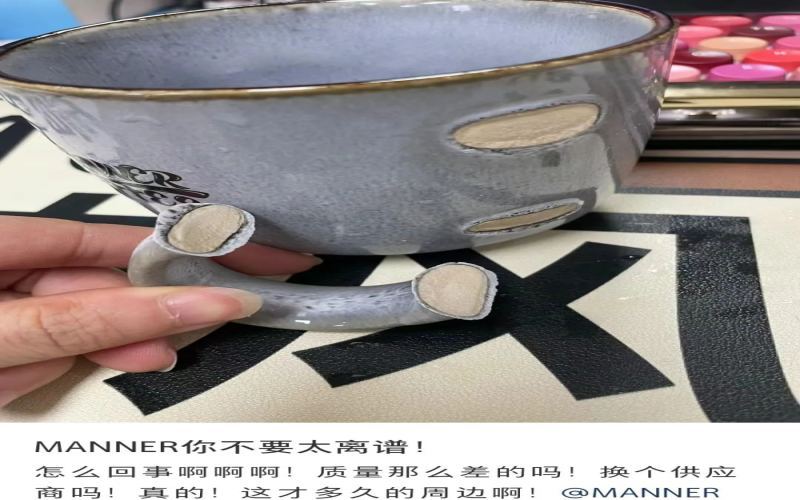
Manner mug handles break one after another, and co-branded ceramic cups also show defects, raising questions about quality control of giveaway items once again.
At the end of last month, Manner launched a buy-one-get-one promotion for the Year of the Dragon, and its retro mugs won over many customers with their good looks, prompting them to purchase the bundles. Recently, however, a number of netizens reported that the handles broke less than a month after use, and some even suffered cuts. Earlier, the mugs had already been criticized for poor quality control, including color discrepancies, chips, leaks, and crooked handles. At the same time, the ceramic cups from Manner's collaboration with Wedgwood were also found to have defects such as incomplete gilded detailing, cracked handles, and scratches on the cup body. The repeated failures in freebie quality have greatly undermined consumers' trust in Manner's gift promotions. [more…]
The Specialty Coffee Cup Selection Guide: From Material and Capacity to Color, Understanding the Key Points of Cupware Selection in One Article
In the world of specialty coffee, the choice of cupware is by no means a trivial matter. Coffee cups made of different materials deliver completely different tasting experiences—ceramic cups are robust and rustic, suited to dark, intense coffees; porcelain cups are fine and smooth, and bone china in particular brings out the delicate flavors of coffee even better. Cup shape and size are equally key: small cups of 60 to 80 ml suit pure single-origin tastings, standard cups of 120 to 140 ml are convenient for mixing, and mugs of 300 ml or more pair perfectly with milk coffee. In addition, a white interior best sets off the coffee's color, and coffee cups and tea cups are clearly distinguished by shape and light transmission. This article also covers warming techniques and everyday cleaning methods, and recommends related cupware choices from Front Street Coffee, helping enthusiasts enhance coffee flavor through the details. [more…]

Starbucks North American stores roll out new policies: free refills return, tableware switches to glass and ceramic, menu to be trimmed by 30%
Starbucks recently announced a series of major changes rolling out across its stores in the United States and Canada, covering free refills, swapping out utensils, the return of condiment bars, and the revival of handwritten names, among other measures, while also formally implementing a new rule that only paying customers may use store spaces. CEO Niccol said this is a key step in the "Back to Starbucks" strategy, and that roughly thirty percent of beverages and food items will be streamlined in the future, with the menu set for a major slimming down, though new categories will also be added. Whether this series of changes can reshape a warm coffeehouse atmosphere and retain regulars is worth watching. [more…]

HEYTEA's "Buddha Joy Tea" collaboration was summoned for talks and taken down, as the commercialization of religious elements sparked both legal and public opinion scrutiny.
The "Buddha Joy Tea" series, a collaboration between Heytea and the Jingdezhen China Ceramics Museum, was urgently pulled from shelves just days after launch because it used religious figures such as bodhisattvas and arhats in commercial packaging. The Shenzhen Municipal Ethnic and Religious Affairs Bureau determined that it was testing the boundaries, and after being summoned for talks, Heytea quickly made corrections. This incident not only abruptly ended the viral popularity of the "Speechless Bodhisattva" cup, but also once again brought the legal red line on the commercialization of religious elements into public view. For the coffee and tea beverage industry, how co-branded marketing can strike a balance between creativity and compliance has become an issue that urgently needs consideration. Front Street Coffee always pays attention to industry trends and reminds brands that while chasing hot topics, they must not ignore the sensitive boundaries of law and culture. [more…]
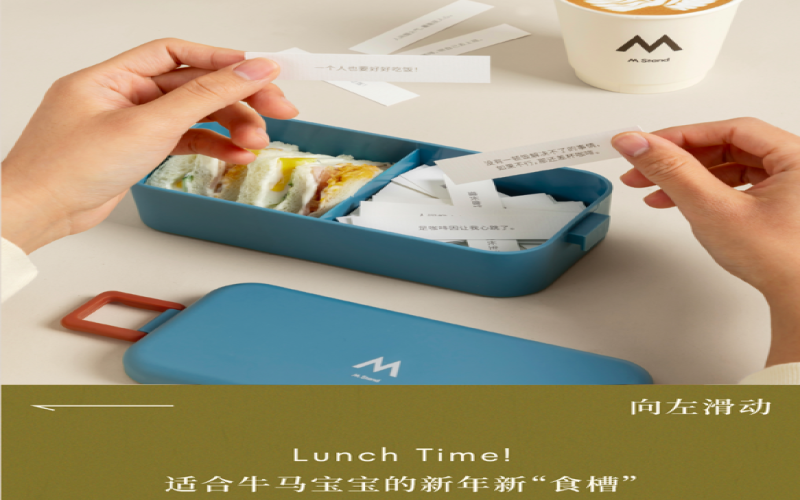
Mstand's lunchbox merch flops? Scratches, rough edges, small capacity—office workers complain it's all show and no go
As people return to work after the holiday, coffee chains are rolling out merchandise to grab office workers' attention. Manner is releasing its popular ceramic cup in new colors as a limited edition, while Mstand has taken a different approach with a lunchbox jokingly dubbed the "cattle and horse trough," bundled with a new coffee-flavored latte as a limited two-cup set. However, once the actual product arrived, consumers found the lunchbox riddled with scratches, rough edges on the clasps, too small a capacity, and no indication on the material that it was microwave-safe, sparking widespread complaints. From looks to practicality, this piece of merchandise seems to have failed to meet the expectations of people who bring their own lunch. [more…]
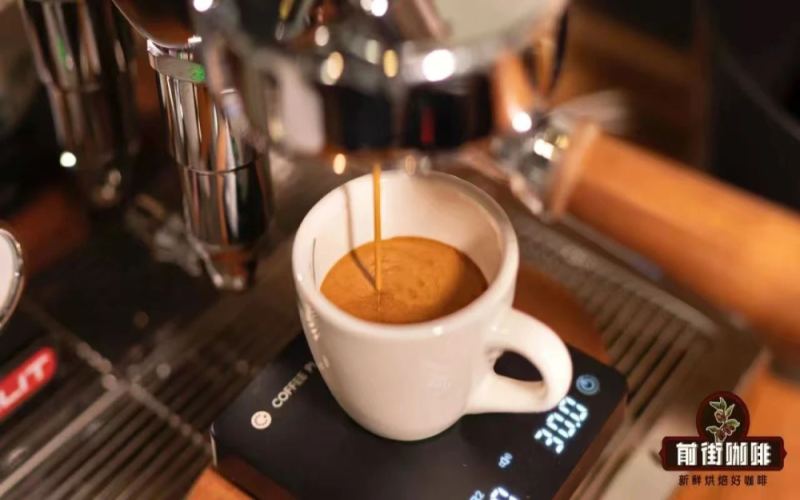
What coffee beans should you choose for moka pot brewing? A comprehensive analysis of the equipment's principles, operating steps, and flavor characteristics
The moka pot, as the most common coffee brewing device in Italian households, is favored by coffee enthusiasts for its simple operation and rich flavor. This article will provide a detailed explanation of the moka pot's construction principles, standard usage procedures, and the types of coffee beans that pair well with it. From the lower chamber heating to produce steam pressure, to hot water penetrating the coffee grounds basket to extract the coffee liquid, every step has its nuances. At the same time, Front Street Coffee, targeting the brewing characteristics of the moka pot, recommends several medium-dark roasted everyday beans, including Brazil Queen Estate, Colombia Huila, Golden Mandheling, and Yunnan Arabica, helping you easily make a rich and full-bodied espresso-style coffee at home. [more…]
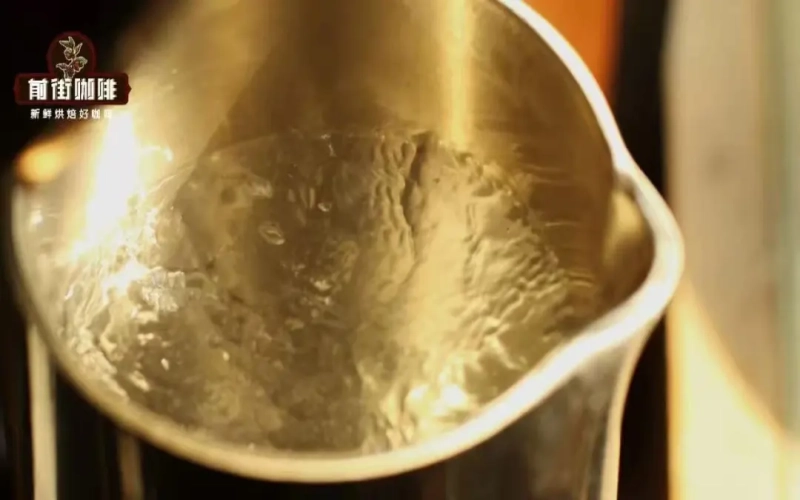
The Truth About Pour-Over Coffee Water Temperature: Why a Setting of 92°C Is Actually Too Low When It Touches the Coffee Grounds? Pouring Techniques and Adjustment Methods
Many coffee enthusiasts set the water temperature at 92°C when brewing, yet often run into under-extraction. The reason is that as hot water is poured from the kettle and travels to the coffee grounds, heat is constantly lost, so the actual temperature is often lower than the set value. This article will break down the major causes of water temperature loss, including the effects of the kettle neck, air, and dripper material, and offer practical countermeasures such as preheating equipment, lowering the pouring height, and adjusting the water temperature to help you brew a good cup consistently in different environments. The article also uses Front Street Granja Geisha as an example to explain how to flexibly adjust parameters according to ambient temperature, making extraction more reliable. [more…]
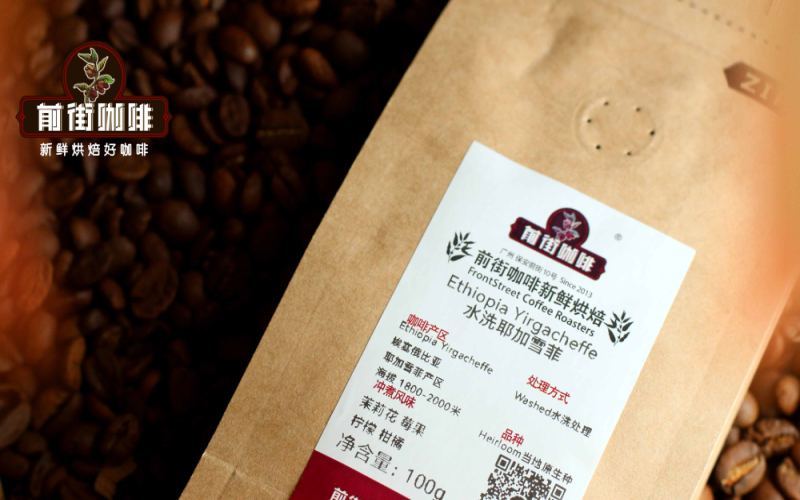
Is Yirgacheffe considered a pour-over single-origin bean? Which coffee beans should be chosen for brewing with a moka pot?
Yirgacheffe is one of Ethiopia's most distinctive coffee beans, famous for its citrusy lemon acidity and white floral notes, completely different from traditional bitter black coffee. Many coffee enthusiasts ask: is it really a pour-over single-origin bean? And if you want to brew it with a moka pot, what beans should you choose? This article starts with the origins of Front Street Yirgacheffe's growing region, the history of its washing station, and the definition of its flavor, then demonstrates the moka pot brewing steps in detail to help you find Yirgacheffe coffee beans suitable for a moka pot. [more…]
Can Yirgacheffe be classified as a pour-over single-origin bean? And which SOE is more suitable for a moka pot?
Yirgacheffe is often regarded by coffee enthusiasts as the representative of pour-over single-origin beans, but does it really count as a pour-over single-origin in the strict sense? And if you switch to a moka pot, what kind of SOE coffee beans should you choose to bring out the floral and fruity notes? This article, from Front Street Coffee's perspective, first sorts out the origins of the Yirgacheffe region and the history of its washing stations, then explains what "Yirgacheffe flavor" actually means, and finally provides specific steps and parameter suggestions for making moka pot coffee with Front Street Coffee's Natural Red Cherry SOE, helping you brew a cup of moka pot coffee with citrus, lemon, and white floral notes at home. [more…]
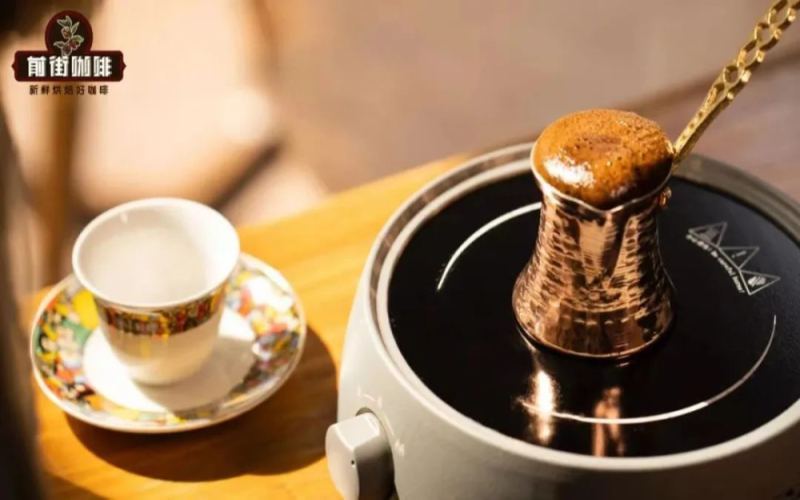
Can coffee grounds be boiled directly in a pot? Front Street's hands-on test of pot-brewed coffee: steps, parameters, and flavor performance
Can coffee grounds be thrown straight into a pot like instant noodles? Front Street Coffee put this question to the test in a round of hands-on experiments. This article documents the full steps and parameters for pot-brewed coffee, starting with a medium-roast Brazil Red Bourbon bean and moving on to a light-roast Peru Washed Geisha, for three rounds of testing in total. The article compares how different coffee-to-water ratios, grind sizes, and boiling times affect flavor, and also presents changes in TDS values, taste descriptions, and methods of straining out the grounds. If you want to know whether coffee grounds can really be boiled and drunk, this hands-on record from Front Street Coffee will give you a straightforward answer. [more…]
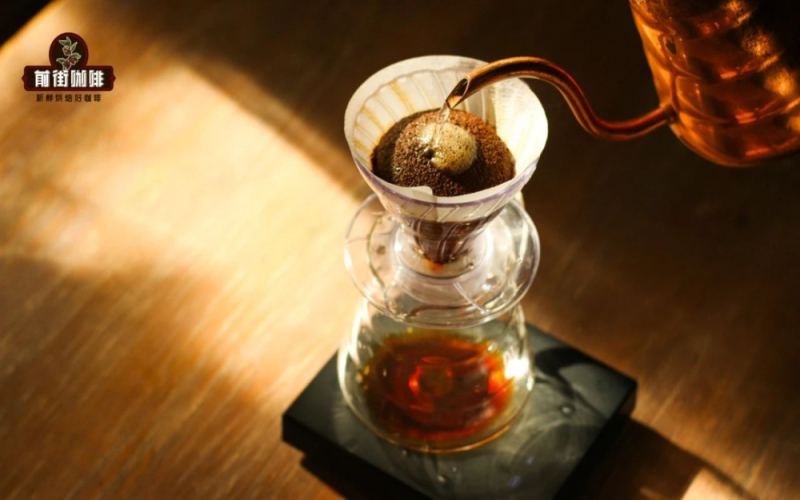
Analysis of Kenyan Asalia Pour-Over Parameters: V60 Dripper Coffee-to-Water Ratio and Key Operating Points
The joy of pour-over coffee lies in showcasing the unique character of beans from different origins by adjusting equipment and parameters. Using Front Street Coffee's Kenya Asaliya as an example, this article provides a detailed introduction to the V60 dripper's structural features, material and model selection, and offers specific brewing parameters and staged extraction techniques. It also analyzes the flavor performance of this AA TOP bean, helping coffee enthusiasts, based on an understanding of the relationship between dripper flow rate and extraction, master a practical method for consistently producing a bright, clean cup of Kenyan pour-over. [more…]
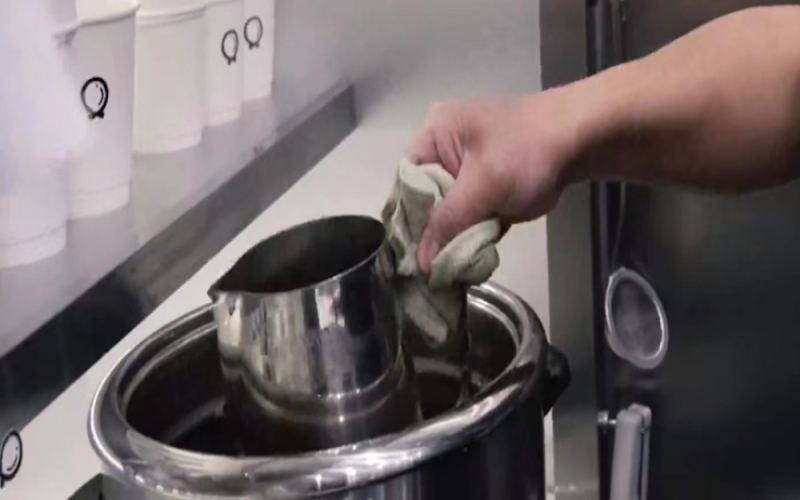
Can a purple clay pot also steam coffee? A new trick for Chinese-style extraction, low-temperature slow brewing brings a rich new experience
Following the buzz in Shanghai coffee shops over "double-boiler" extraction, Chinese-style coffee innovation has taken another step forward—at the Xiamen Coffee Festival, a shop introduced a Minnan-style brewing method using a purple clay teapot to steam coffee. In this method, coffee grounds are placed into a small purple clay teapot, slowly steamed in a bamboo steamer, then filtered and diluted with water for drinking. Its principle is similar to double-boiling: it uses low-temperature slow extraction to reduce bitterness and off-flavors, while the porous structure of the purple clay teapot can also absorb some of the compounds that cause bitterness. From Japanese Tokoname coffee pots to Chinese purple clay teapots, the clever use of ceramics in coffee extraction is being continually explored. This article walks you through the specific steps of this trendy method and the science behind it, and includes related recommendations from Front Street Coffee. [more…]
A Comparative Test of Six Popular Manual Coffee Grinders: Pros, Cons, and a 2022 Pour-Over Buying Guide
Hand grinders have become the top choice for many coffee enthusiasts getting started, thanks to their portability, affordable price, and the sense of involvement they bring during brewing. But with so many models on the market, how do you choose? This article tests six popular hand grinders—including the Hario Skerton, Mini Mill, Acrylic, and Canister, as well as the OE Lido 2 and Porlex JP-30—analyzing each one in terms of practicality, design, and grinding performance. The article also mentions related recommendations from the Front Street Coffee brand and compares the trade-offs with electric grinders. Whether you're carrying one for travel or upgrading your home setup, you'll be able to find an option that suits you. [more…]
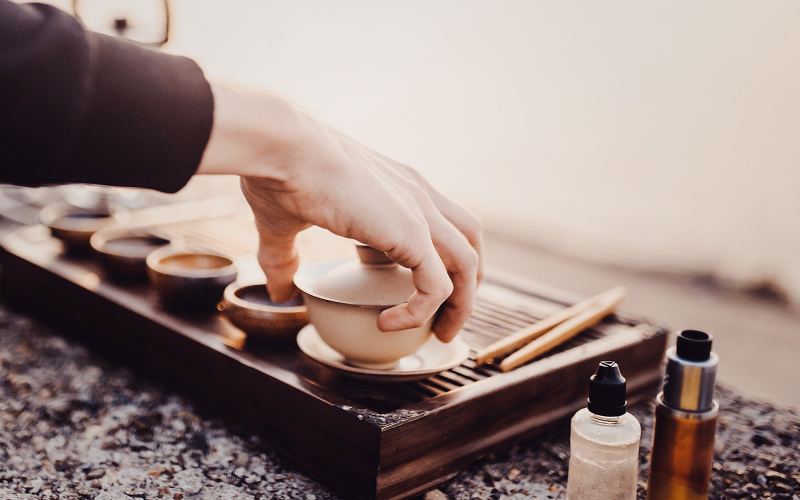
Which category of tea does Chaoshan Gongfu tea belong to? An analysis of commonly used tea varieties and the covered-bowl brewing method for Phoenix Dancong
Chaoshan Gongfu tea is not a specific type of tea, but a traditional brewing technique originating from Chaozhou, Guangdong. Oolong tea is the most commonly used, and it is especially suitable for brewing Phoenix Dan Cong. It emphasizes short, repeated infusions, with each steep lasting only 3 to 10 seconds, allowing the tea leaves to gradually unfurl and release layered aromas and flavors. Gongfu tea has developed into three styles: Chaoshan, Fujian, and Taiwan. Among them, the Chaoshan style uses a tea boat, a gaiwan or ceramic pot, and three teacups arranged in a triangular formation, symbolizing the Chinese character "品" (pin). This article will also introduce how to brew Phoenix Dan Cong with a gaiwan and recommend related product lines from the Front Street Coffee brand, helping coffee enthusiasts experience the refined nuances of tea culture across categories. [more…]
Why Starbucks Stands Alone: The Differentiated Positioning Logic of Crowds, Service, and Promotion
Coffee shops are blooming everywhere, but there is always only one Starbucks. Its success is not accidental, but stems from a set of positioning logic completely different from traditional cafes. This article dissects, from three dimensions—crowd targeting, service strategy, and promotion methods—how Starbucks precisely locks onto the white-collar group, how it uses space and equipment design to accelerate customer flow, and how it places its marketing focus on brand image rather than the product itself. At the same time, it analyzes the real implementation of the "third place" concept in the Chinese market, and how this concept has trapped many local coffee shop owners in operational difficulties. For coffee enthusiasts and industry practitioners, understanding Starbucks' atypical path helps to rethink the survival logic of coffee brands. [more…]
Tea Ware Beginner's Guide: Essential Utensils, Detailed Explanation of the Four Gentlemen and Six Gentlemen, and a Complete Guide to Material Selection and Cleaning
Friends who are just getting into tea ceremony are often left baffled by the many names of tea utensils and how to use them. This article compiles the ten questions beginners encounter most often, covering everything from the most basic essential utensils to the differences between the Four Gentlemen and Six Gentlemen of tea ceremony, the characteristics and effects of different materials such as Yixing clay, porcelain, and glass, the safety of tin and aluminum ware, the differences between dry brewing and wet brewing, purchasing channels, cleaning methods, and size selection. Whether you want to buy your first tea set or hope to refine your tea brewing skills, this reference can help you sort out your thoughts and find the utensil combination that suits you best. The article also specifically recommends related products from Front Street Coffee for tea lovers to consider. [more…]